|
The Relentless Quest: Drawing My Way to Understanding
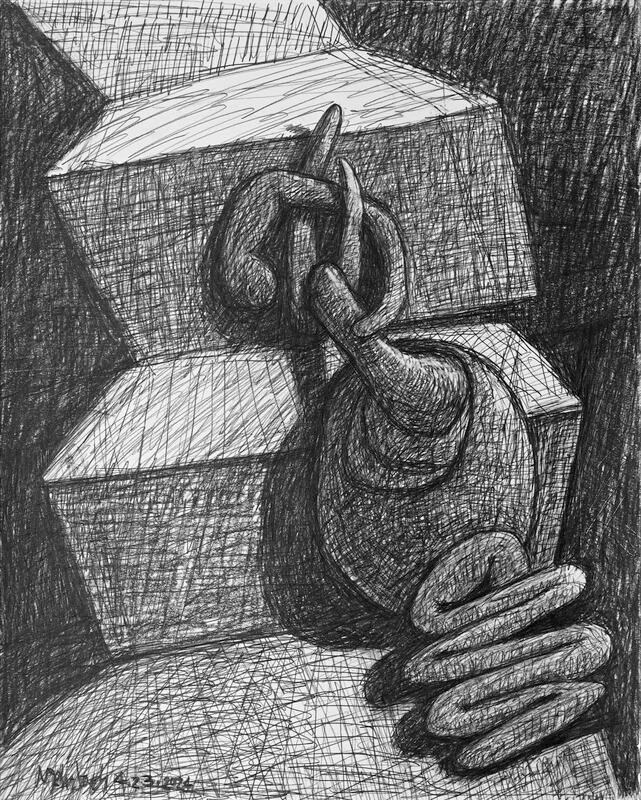
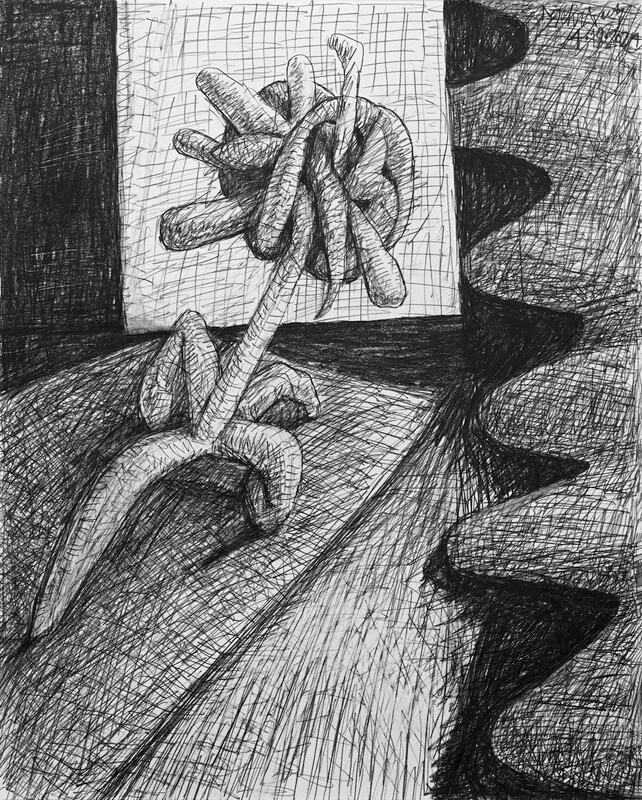
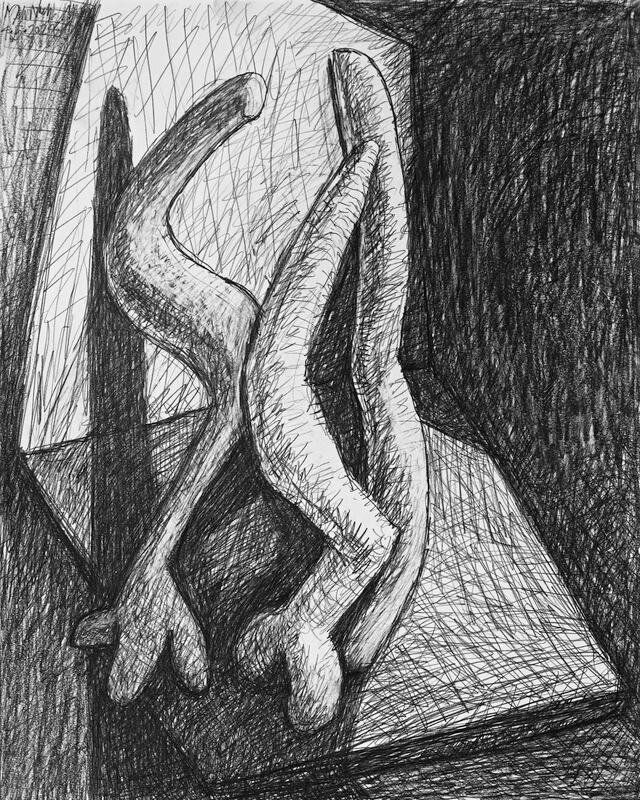
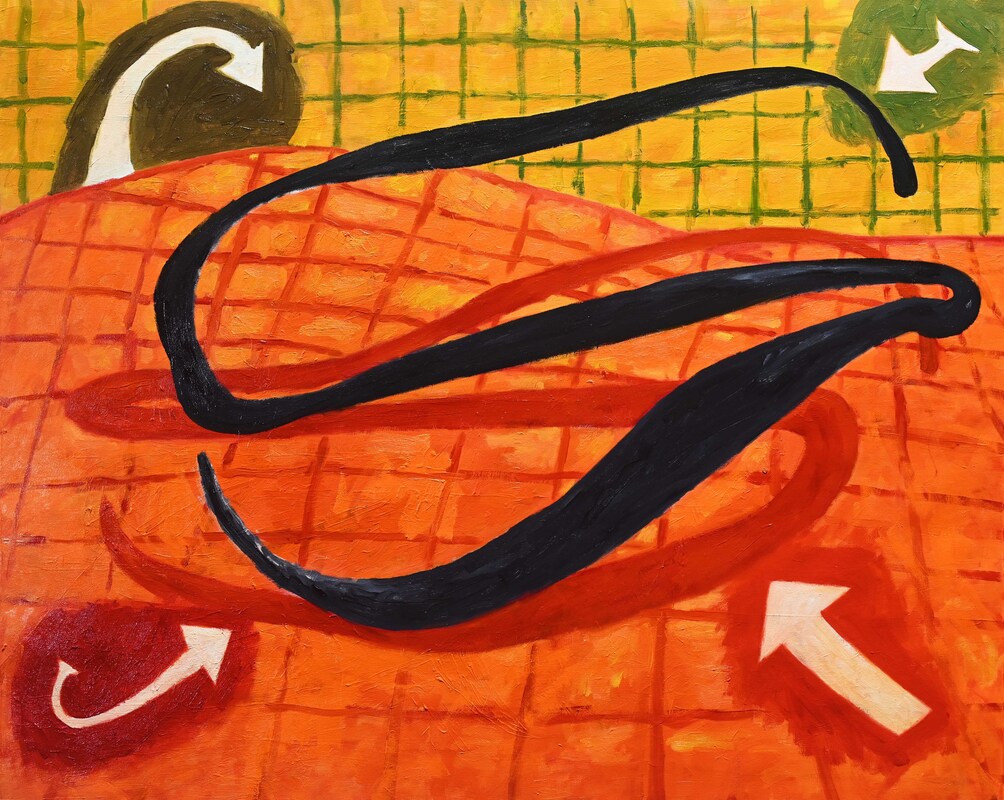
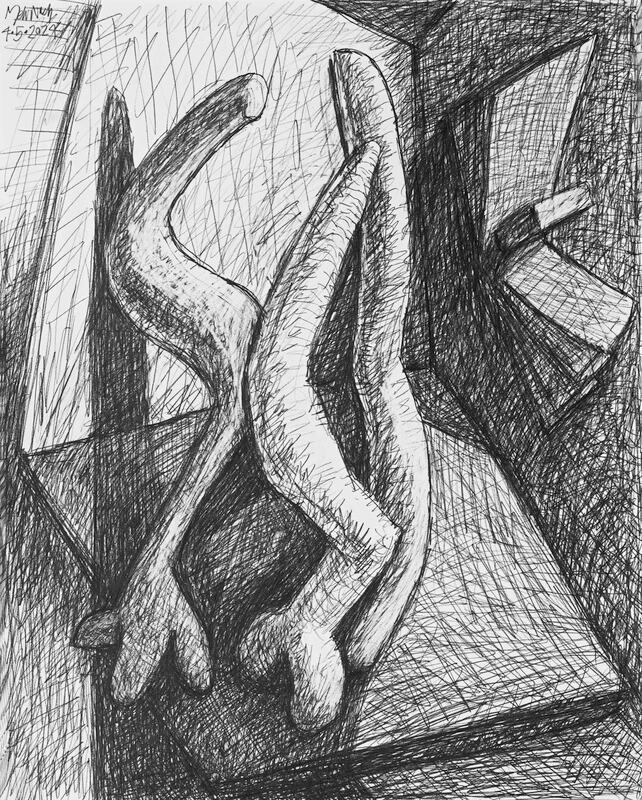
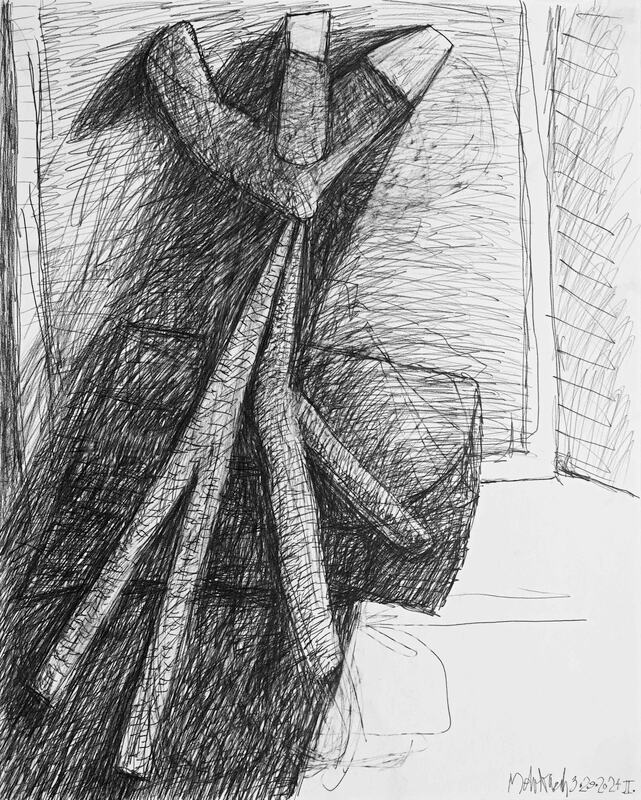
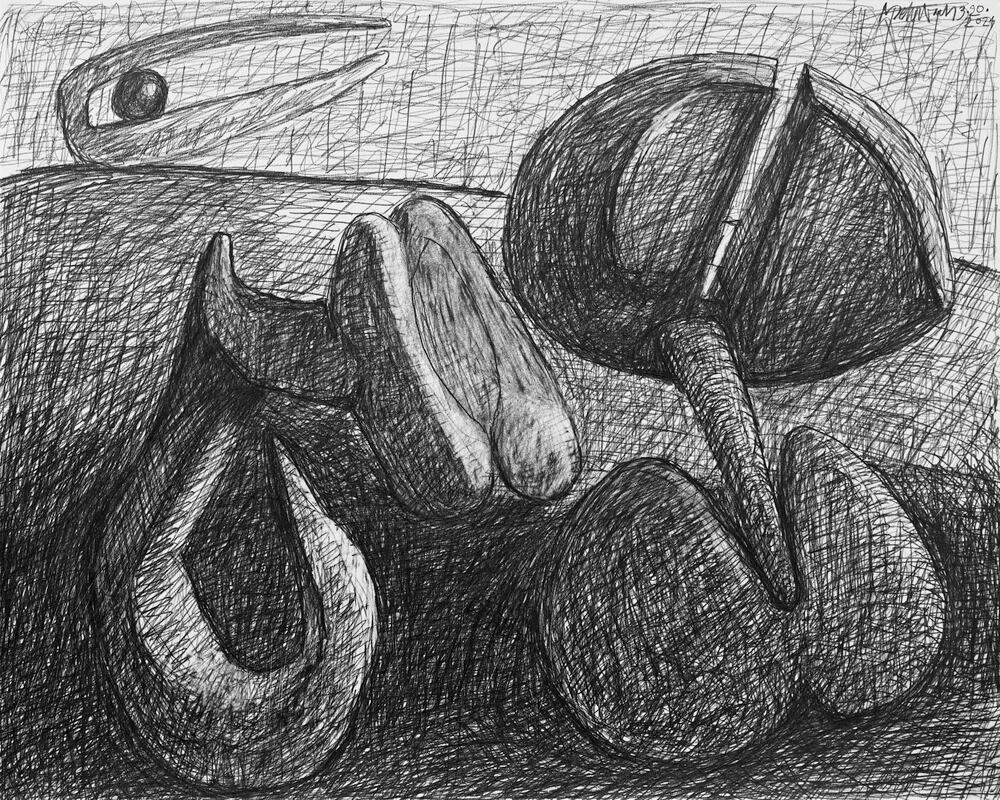
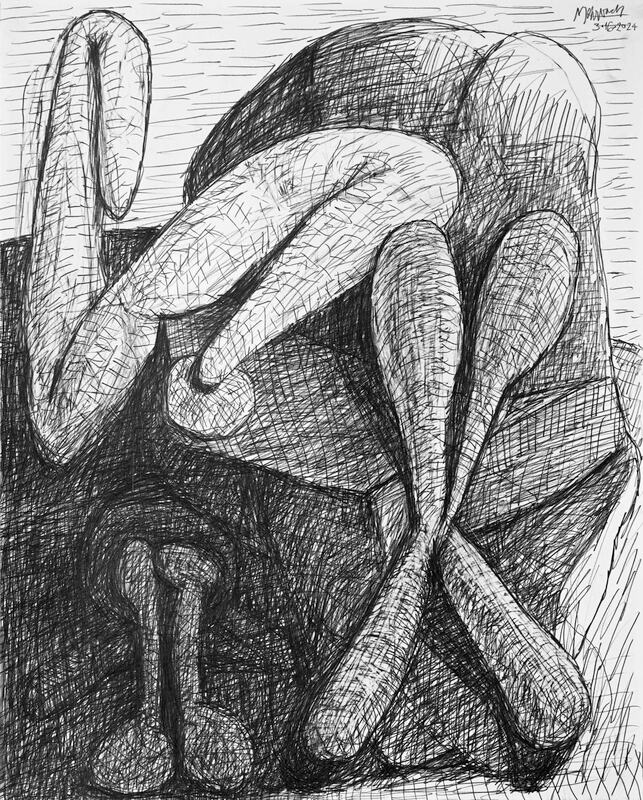
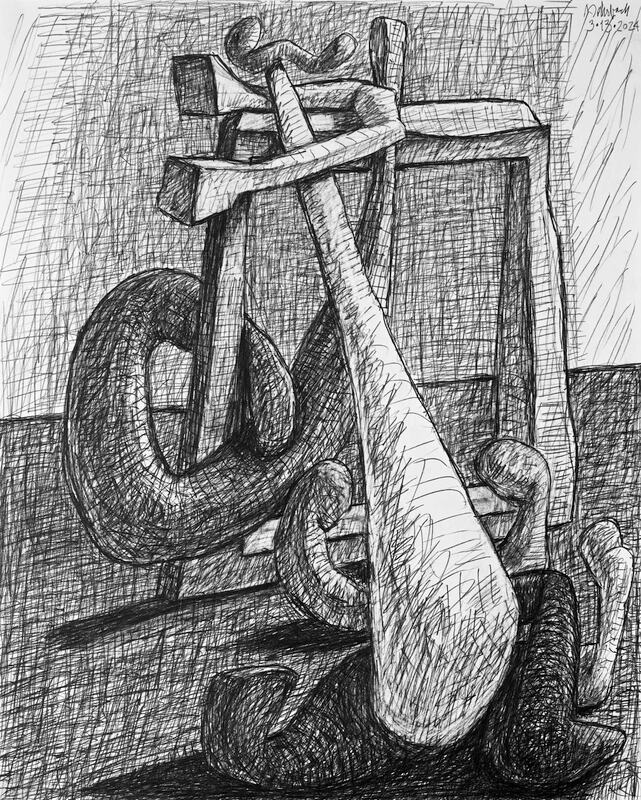
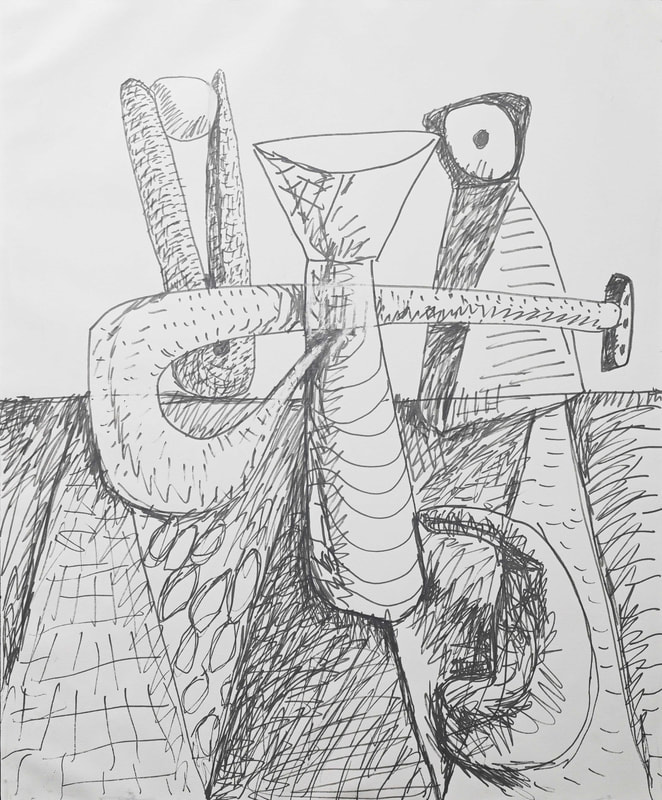
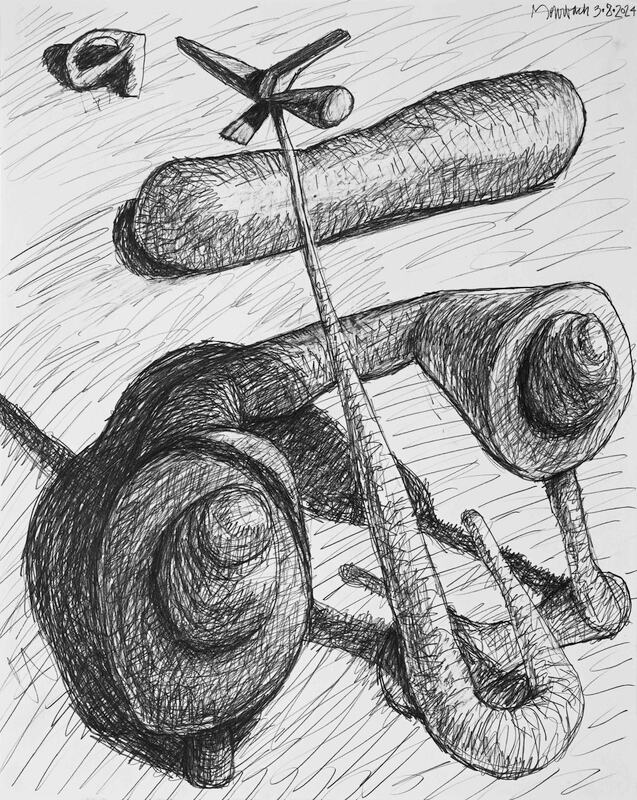
For me, drawing is rarely a moment of clear-sighted intention. More often than not, it begins in a space of confusion. I don't walk into the studio knowing exactly what story I want to tell or what image I need to create—and frankly, I wish it were easier. My image-making is characterized by a deep and often uncomfortable uncertainty. But this is where the drawings take over. They are not merely pictures; they are a relentless search tool, giving me small, invaluable pieces of information about myself. While the beginning is murky, the act of drawing itself brings moments of profound clarity. If you look at the two images above, you see this internal process playing out. The first drawing is filled with robust, less atmospheric forms. It speaks directly to my constant struggle with relationships—not just how they function in the world, but specifically how I fit into them. I’m constantly seeking to clarify those relational dynamics, and this drawing is the visual output of those unanswered questions. The second drawing shifts gears entirely. It’s a spontaneous burst of activity, a complex world full of simultaneous action. Here, I see myself trying to navigate and fit into the sheer confusion of multiple things happening at once. Ultimately, both of these images are simply a search for myself. They illustrate the central problem I face: I want to create images and tell stories that genuinely relate to my inner self, but I never seem to know how to begin that process confidently. Drawing, then, is my necessary means to self-discovery. My hope is that, by continually pushing through this struggle, I will eventually understand myself well enough that I can walk into the studio and start painting and drawing with confidence. Because I have no confidence that will happen, I will keep drawing, line by uncertain line, in search of the self I have yet to fully know.
0 Comments
The Art of the Beautiful Failure: Sharing a Painting and a Drawing
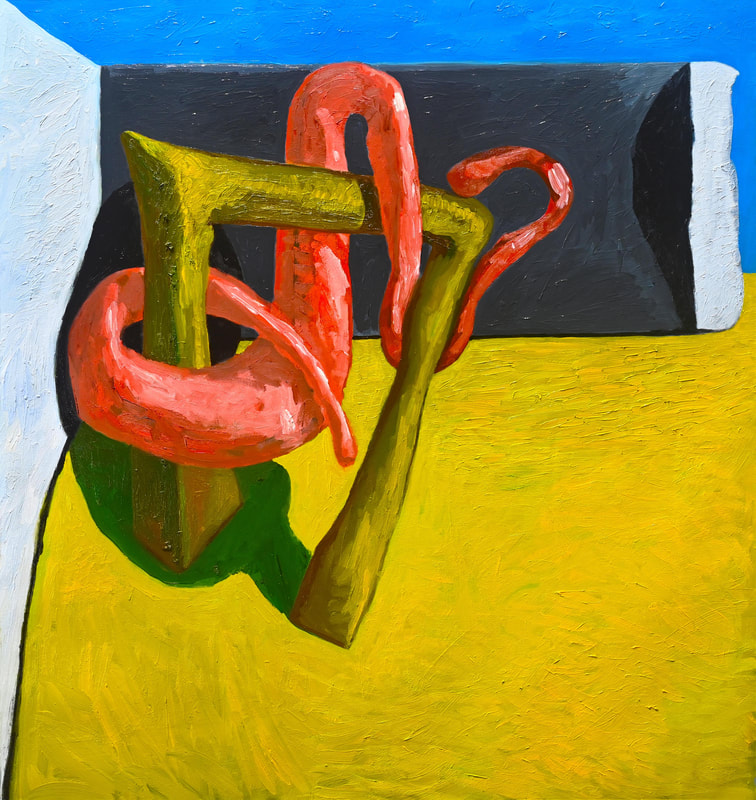
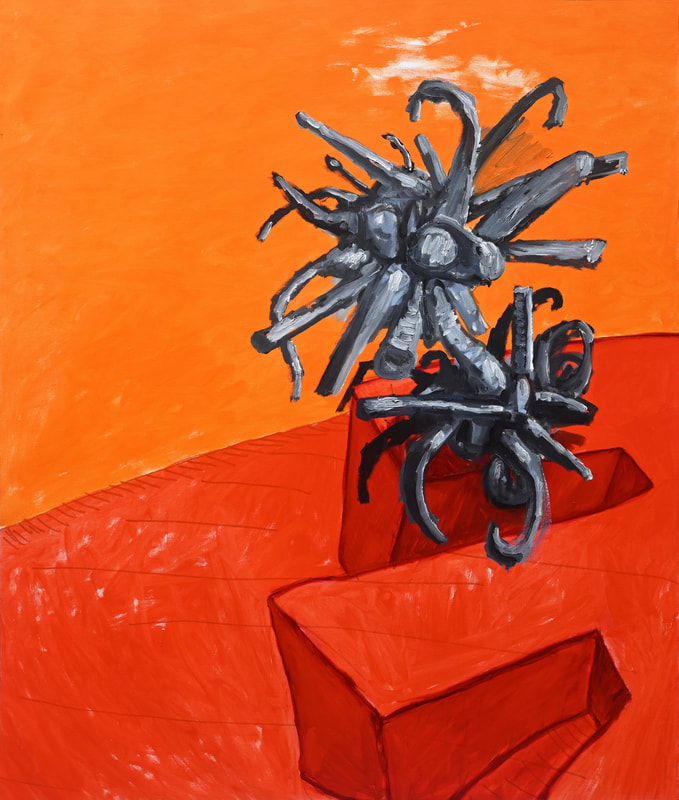
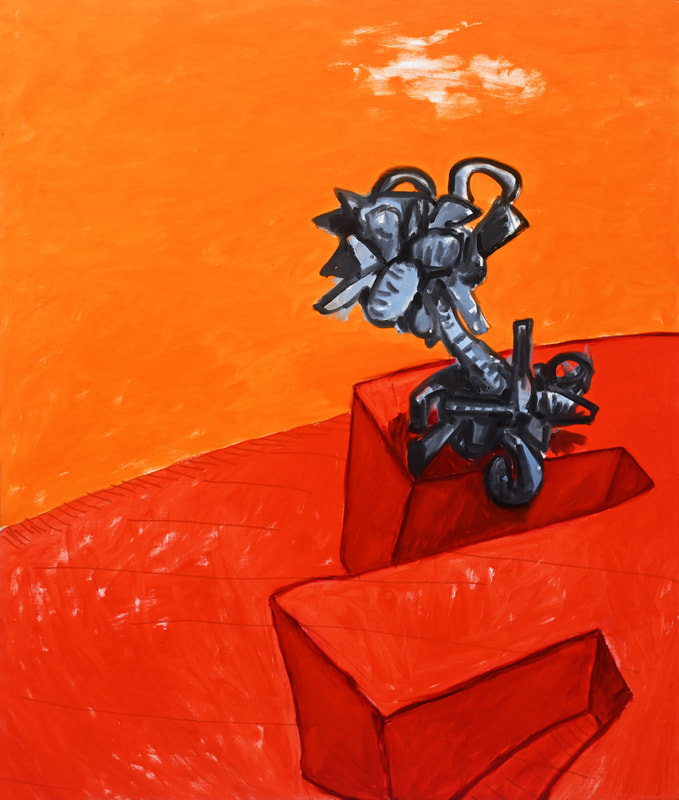
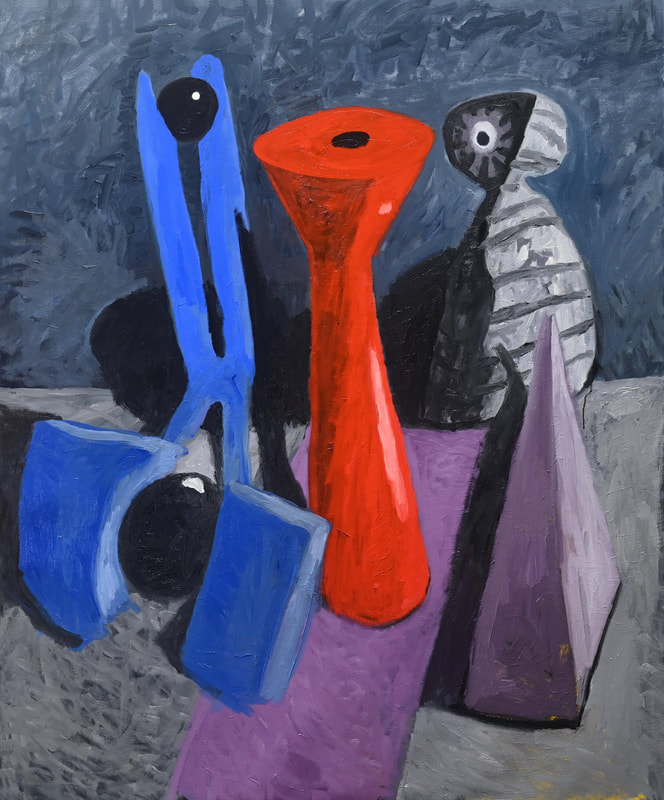
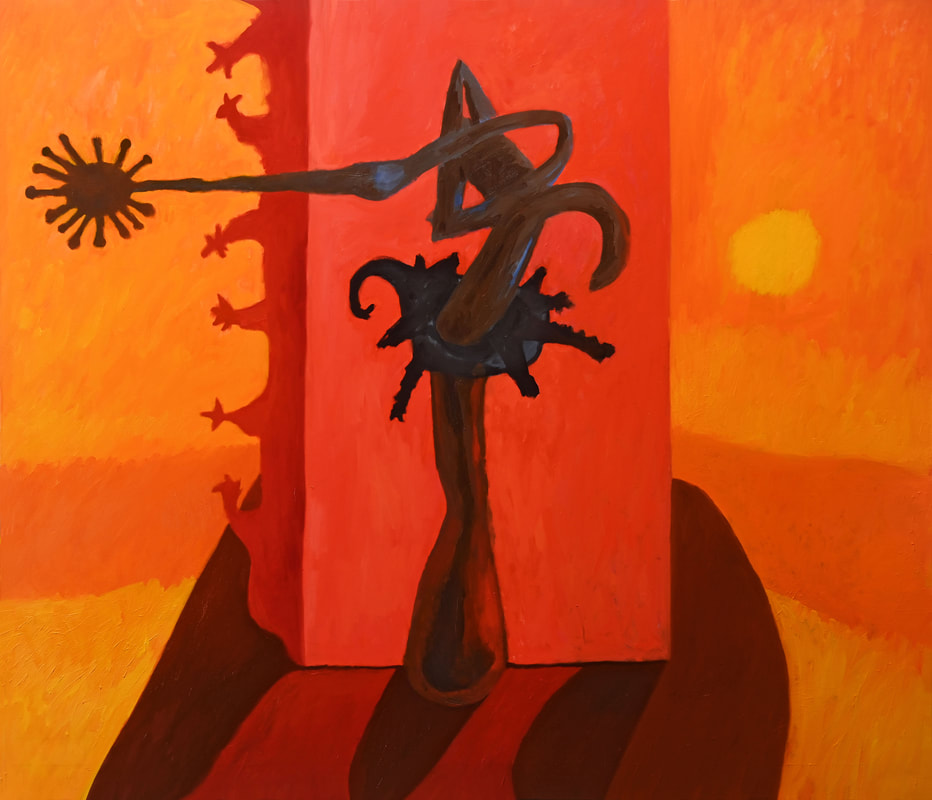
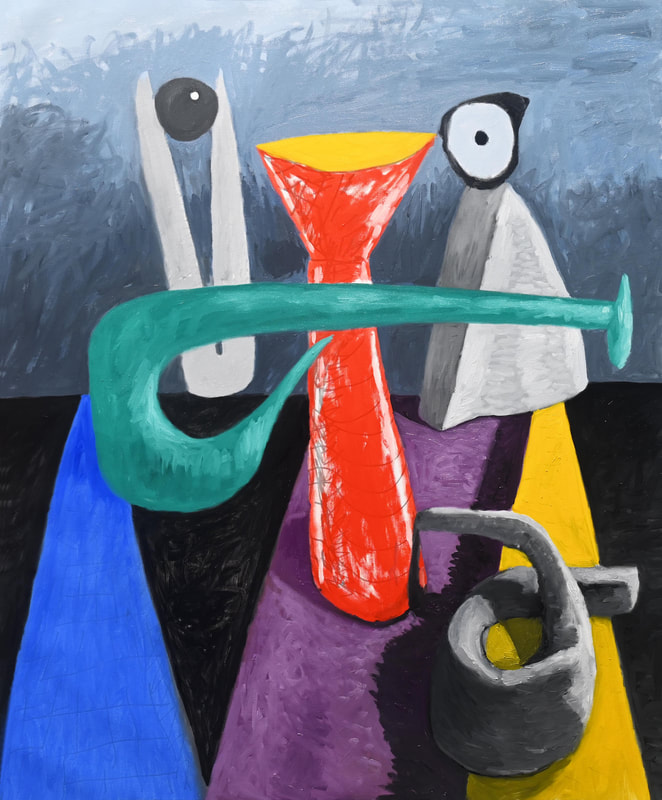
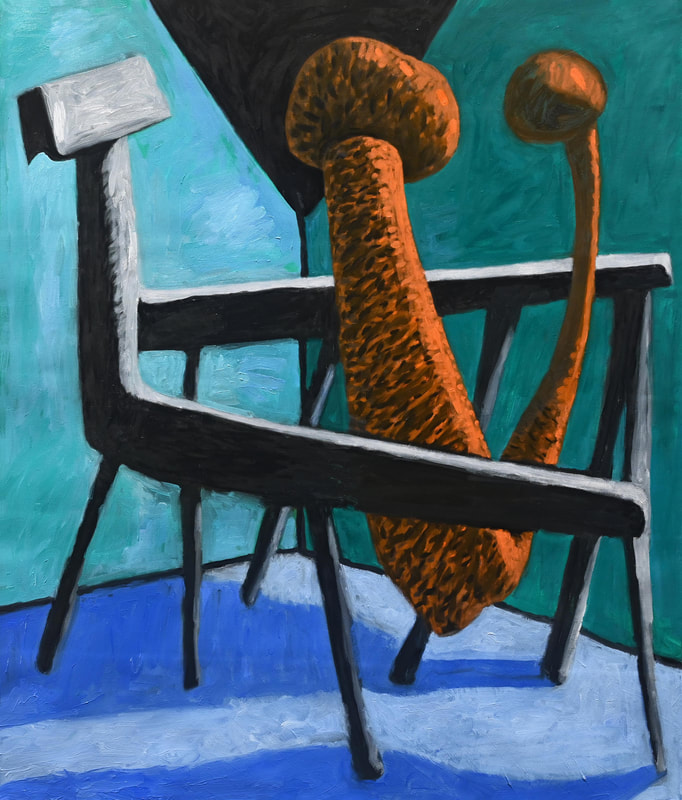
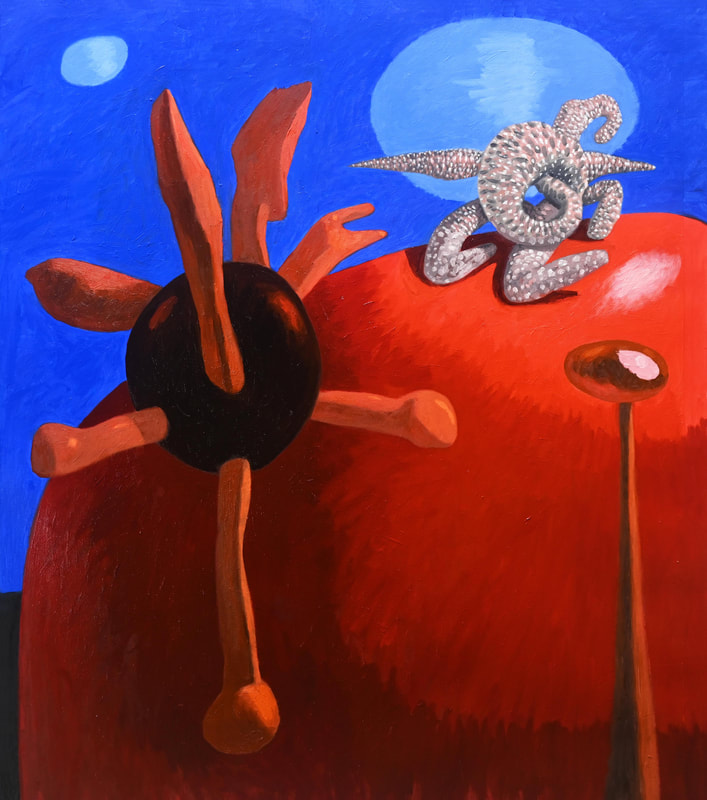
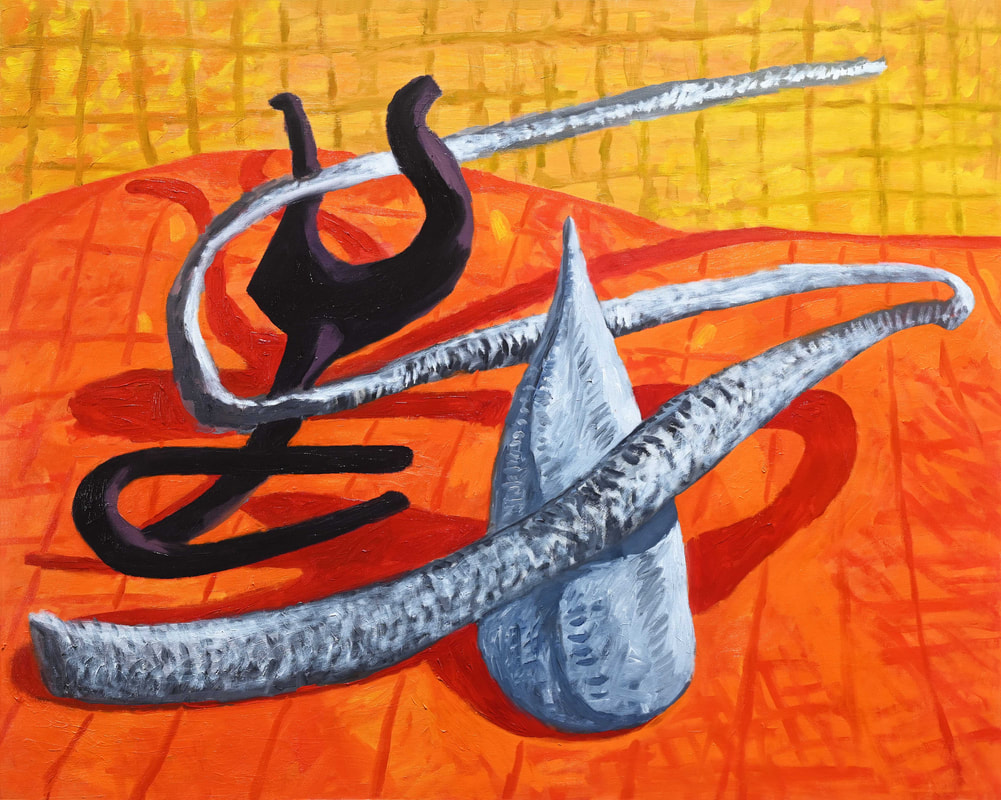
Today, I’m sharing two new pieces—a painting and a drawing—and in doing so, I’m pulling back the curtain on a struggle I suspect many creators know well: the endless, often humbling pursuit of perfection. I strive for it. Every time I pick up a brush or a pencil, I’m chasing a faultless, total realization of the image in my mind. And every time, I fail. It's not a defeat, but a reality. Everything I show you is, at its core, a compromise. It's the space between what I know to be true in the quiet theatre of my imagination and what my hands, my materials, and even my camera are able to reach and reveal to the world. The Painting: Losing Depth in Translation Let’s look at the painting first. In person, this work is a conversation of texture, light, and dynamic contrast. On-screen, it seems... well, flat. It misses the overall dynamism of the real piece. Take the lower right-hand corner, for example. I included an inscription there, a line taken from a work by T.S. Eliot that is critical to the painting’s overall emotional resonance. In the original, it is clear and deliberate. Here, in this reproduction, you can hardly read it. I wrestled with the digital file, tweaking the contrast and color balance to make that inscription pop. But every time I succeeded, another vital part of the painting failed—the subtle shifts in shadow or the nuance of the main figure's tone would be lost. The act of reproduction became its own lesson in compromise. I had to accept that to share the work, I would lose a piece of its truth. The Drawing: A Dialogue That Just Missed Its Mark The drawing, a piece focusing on a couple in a kind of interested, introspective viewing of each other, fails in a different, more emotional way. Technically, I can defend it. The forms and lines show my effort to open an unusual dialogue between the figures and the overall composition. But is that enough? My goal was to capture the sheer complexity of feeling—the charged, internal moment when two people are deeply aware of one another. And I’m left questioning if the result is inventive enough. I want the viewer to look at it and say, “Wow. This is something different. It touches me and makes me think about what the artist is trying to say.” I’m afraid I didn't quite reach that height. I landed on 'okay' instead of 'arresting.' It's a solid sketch of an idea, but it doesn't fully transmit the complexity of the emotion I was working with. The Unavoidable Truth So, here they are: two works, two triumphs of effort, but both failure to be perfect. They are the best I could do at this moment with these materials, in this light, and with this camera. They show you my reach, not my grasp. And perhaps that’s the most authentic thing an artist can share: not a finished masterpiece, but a living record of the struggle. What do you see in these pieces? I'd love to hear your thoughts on where the image succeeds, and where perhaps, your own interpretation finds the truth I felt I lost. The Unexpected Drawing
I didn't see this drawing coming. I had left a nearly blank piece of paper on my drawing easel; that piece of paper had just two lines drawn on it, like parentheses similar to this: ) ( . I began to use these stray marks as a beginning, just letting myself follow my instinct. I am surprised at the result. The making of this drawing was slow, with a lot of erasing, yet each step I followed felt like the right step, and it was authentic to me. A Powerful Reminder This drawing is a powerful reminder for me. The beginning doesn't matter; the act of starting does. By trusting my intuition and following what felt right, the art was able to become what it was meant to be. I've learned something important from this piece: Don't get caught up in the perfect start. Just begin, and let your intuition guide you. The final artwork will reveal itself naturally through an authentic, unforced process. The Path of Creation "If you can see your path laid out in front of you step by step, you know that it is not your path. Your own path you make with every step you take. That's why it is your path." This is a great, powerful quote from Joseph Campbell. This quote reflects Campbell's core philosophy on the hero's journey and personal myth. It suggests that a true journey—one that leads to growth and self-discovery—is not about following a pre-planned route. Instead, it's about navigating the unknown, making choices as you go, and in the process, forging your own unique destiny. The journey is an act of creation, not merely an act of following. It's about having faith in the process and trusting that the next step will reveal itself when the time is right, rather than knowing the entire route from the start. This will be my last drawing for the foreseeable future. I believe I must paint in order to find my true artistic identity, which is my actual identity.
The belief that an artist's work has reached a dead end is not a sign of failure, but often a call for a profound shift in practice. For many, the medium itself becomes a limiting factor, a comfortable habit that no longer serves the evolution of their creative voice. This is the moment when the disciplined, line-based world of drawing may begin to feel like a constraint rather than a foundation, especially when the subject matter remains tethered to the past. The artist’s hand, once a tool for exploration, is now simply repeating familiar gestures, rendering the same old interests without room for new discovery. An artistic practice built on referencing past passions can lead to a cycle of stagnation. When the inspiration for a new piece is always found in what has already been, the art itself becomes a reflection of memory, not of the present. The drawings, though technically sound, can feel inert or lacking in vitality because they are not fueled by the artist's current interests. This repetition, though a testament to consistency, ultimately prevents growth. The feeling of a "dead end" is a direct result of this disconnect—a signal that the well of past inspiration has run dry, and a new source must be found. Embracing painting is not an abandonment of the skill gained from drawing, but a deliberate and necessary act of creative evolution. It is a way to break the cycle of repetition and force a deeper engagement with the world as it is now. The fluidity and unpredictability of paint demand new ways of seeing. The process of building color and form on a canvas naturally pulls the artist away from past interests and compels them to explore their current passions with fresh eyes. This transition, therefore, is not about leaving something behind, but about moving forward and allowing one’s art to become a true and vibrant expression of who they are today. I've come to embrace painting precisely because it offers a greater number of possibilities for change than drawing. The medium provides endless opportunities to pivot and evolve an idea, not just through the use of color, but also through the simple act of painting over an element that no longer works. This forgiving nature allows for a more fluid and less permanent creative process, where even discarded ideas can be transformed into something new. Capturing a viewer's attention is one of the most important aspects of making art. After more than 30 years of creating, I still find myself grappling with how to effectively do this. Without an audience, what you've created is just a picture, not a work of art.
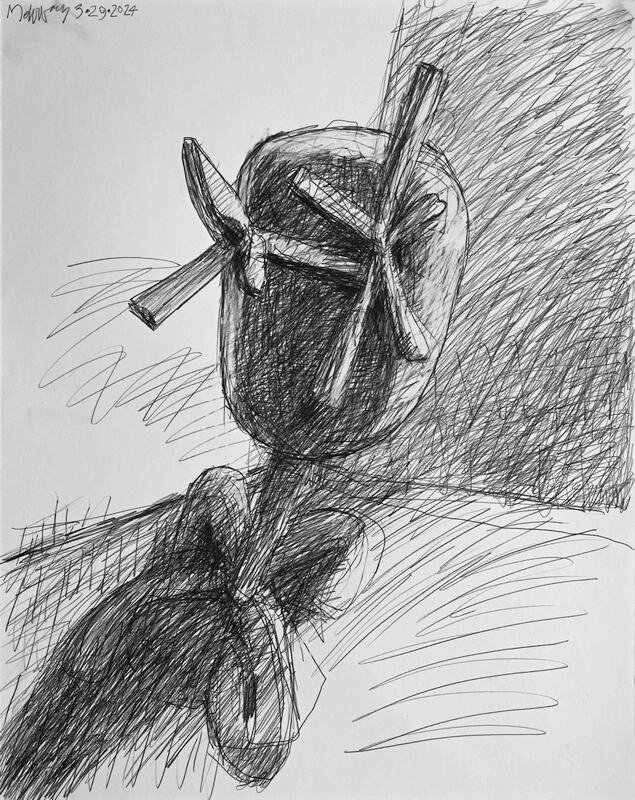
While the drawing's subject matter may be strange, its bold, in-your-face composition demands attention and makes it effective.
My process for this drawing was one of pure discovery. Instead of working from a fixed plan, I allowed the composition to unfold organically, adding elements until the visual balance was satisfactory. I then refined each component, building on texture, value, and line until the final piece achieved maximum impact.
There's a constant tension in my artistic life: I am a creator, yet I am also a skeptic. I pour myself into my work, fueled by a deep-seated need to express something uniquely my own, only to be met with a familiar feeling of dissatisfaction. The image in my mind's eye is always just out of reach, and every completed piece feels like a compromise, a pale imitation of the ideal I am chasing. This relentless pursuit of something better, something more profoundly mine, makes the idea of achieving satisfaction feel less like a goal and more like an impossible dream, leaving me with knowing I will never be truly happy with what I create. |
To read my profile go to MEHRBACH.com.
At MEHRBACH.com you may view many of my paintings and drawings, past and present, and see details about my life and work. Archives
November 2025
|
RSS Feed