|
The Art of the Beautiful Failure: Sharing a Painting and a Drawing
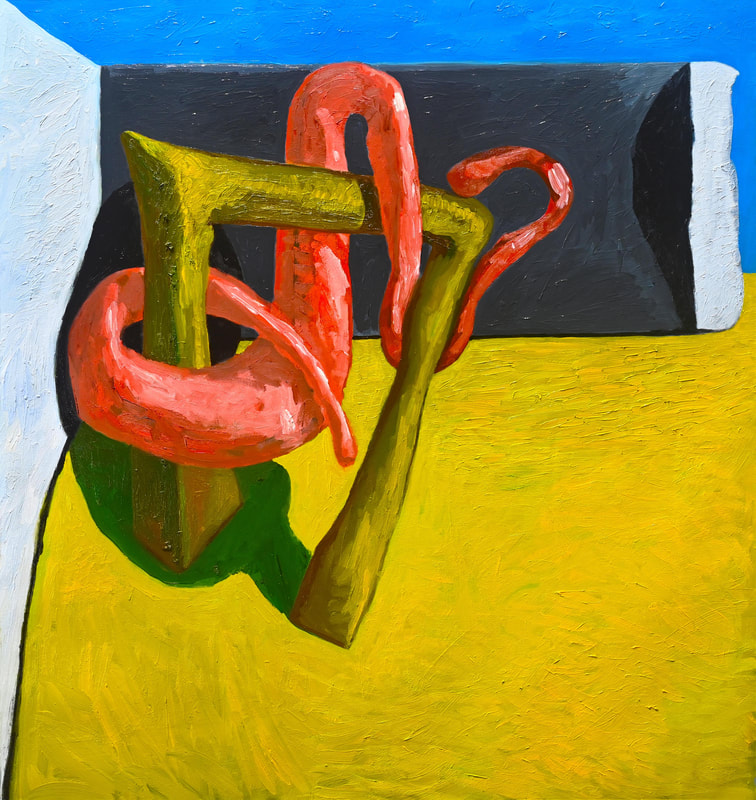
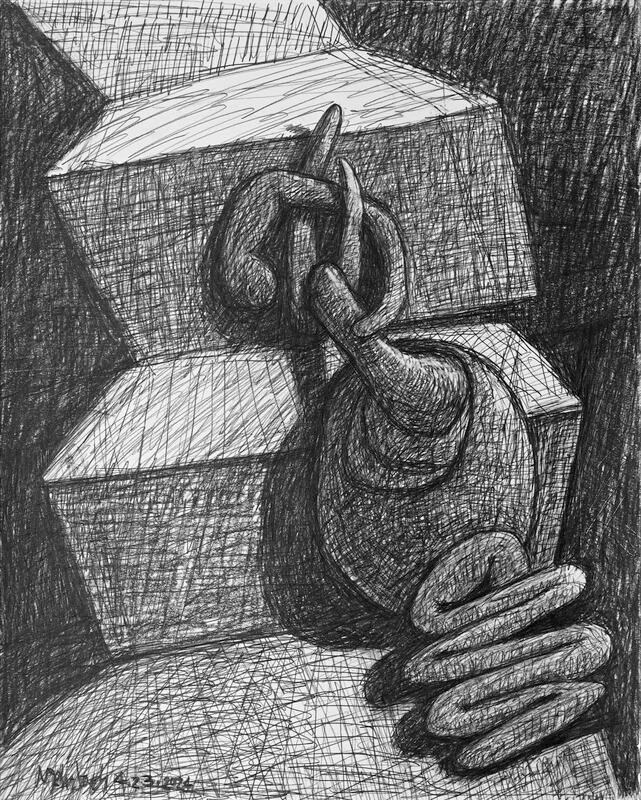
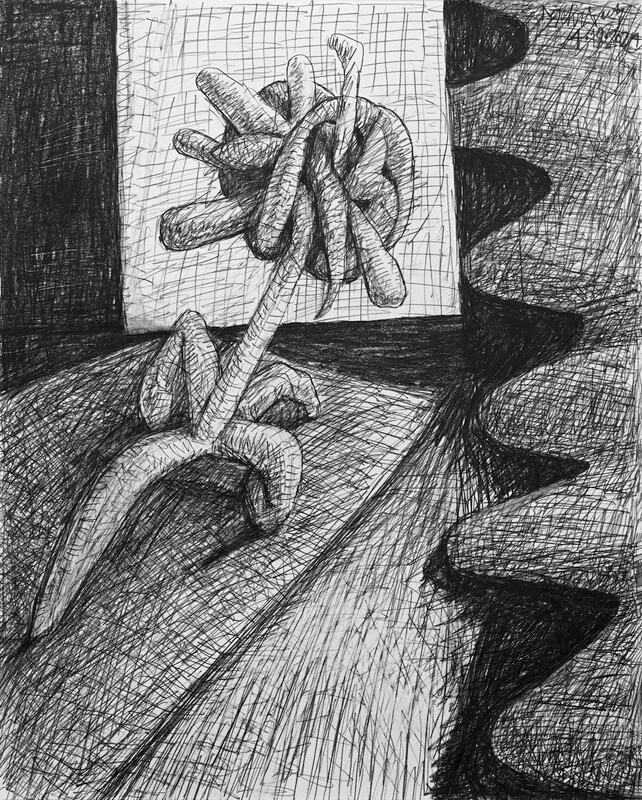
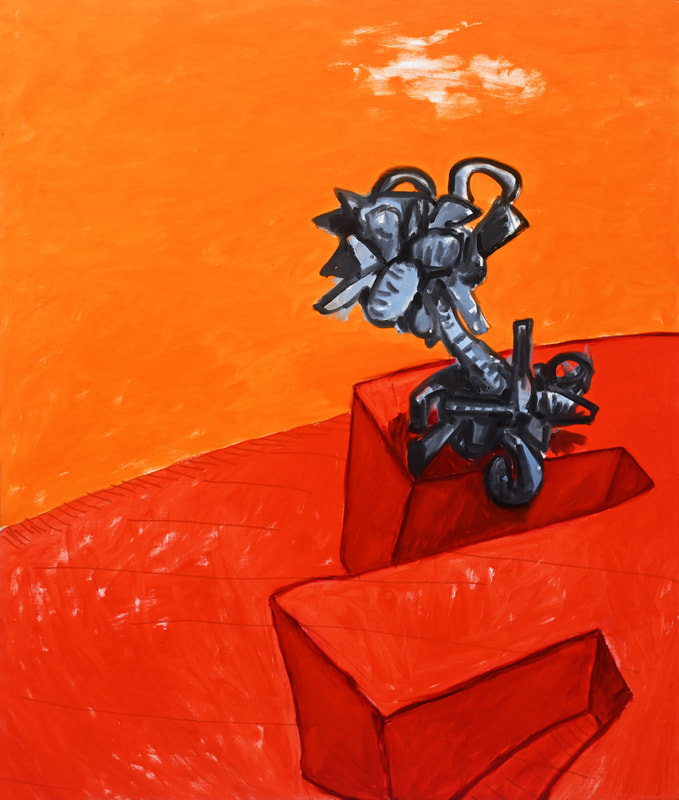
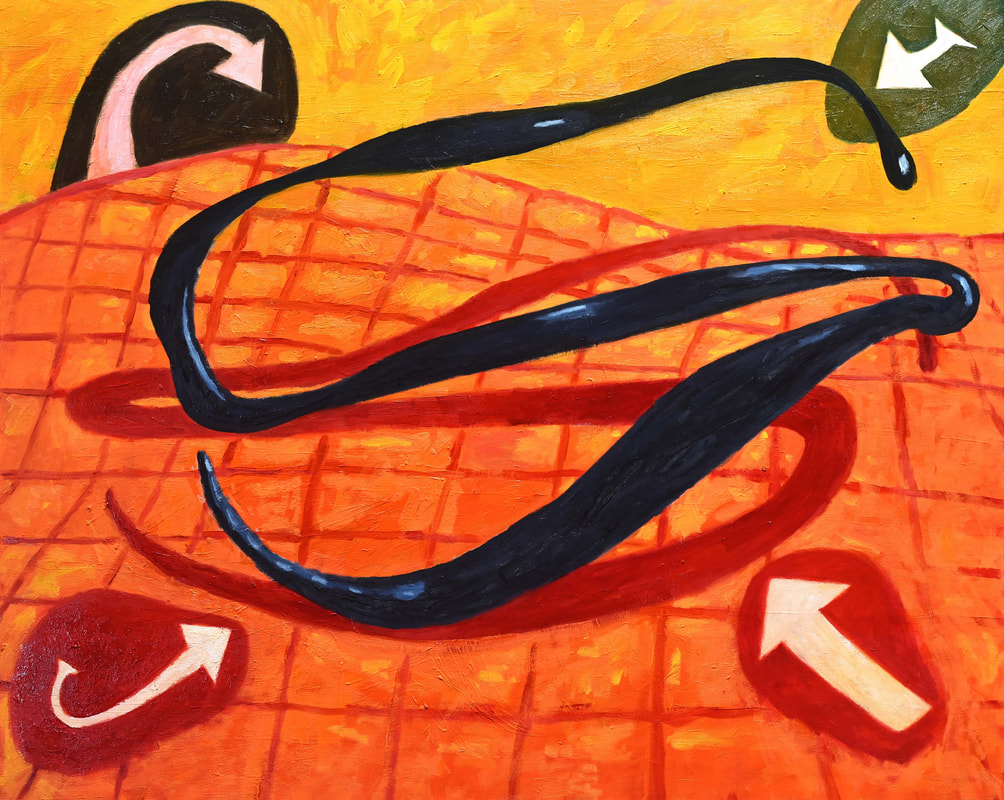
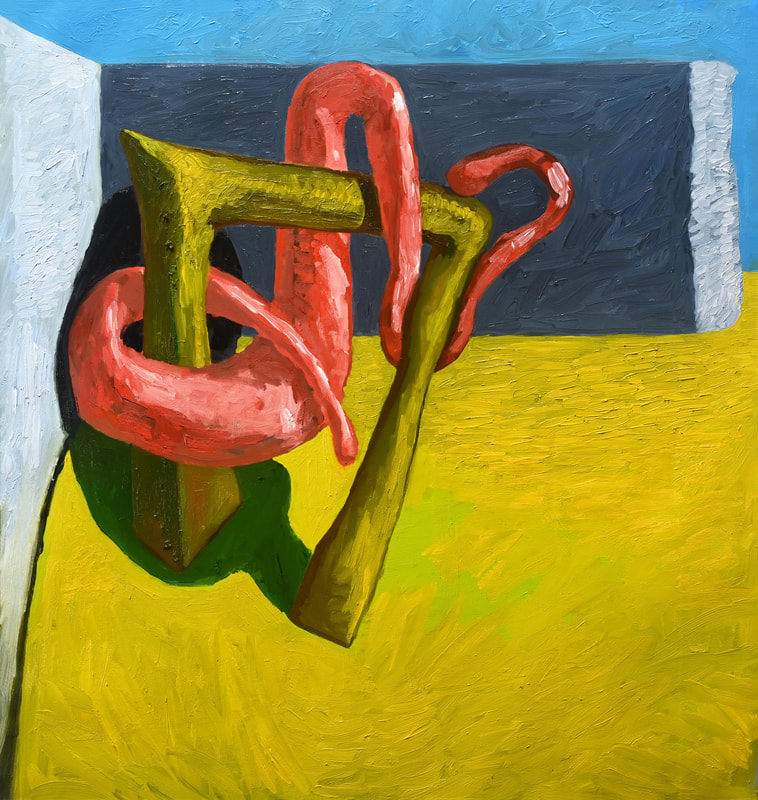
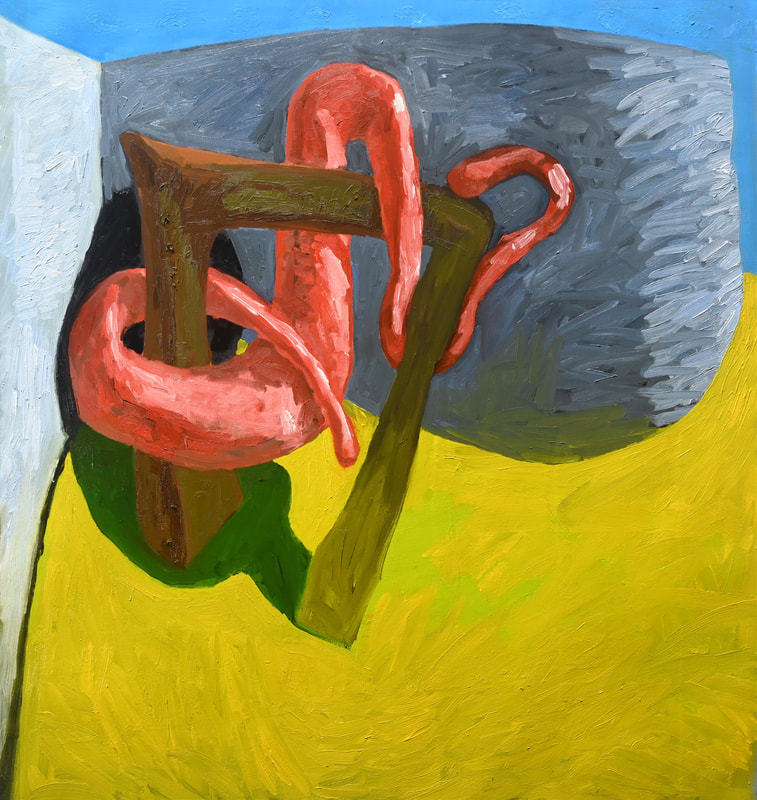
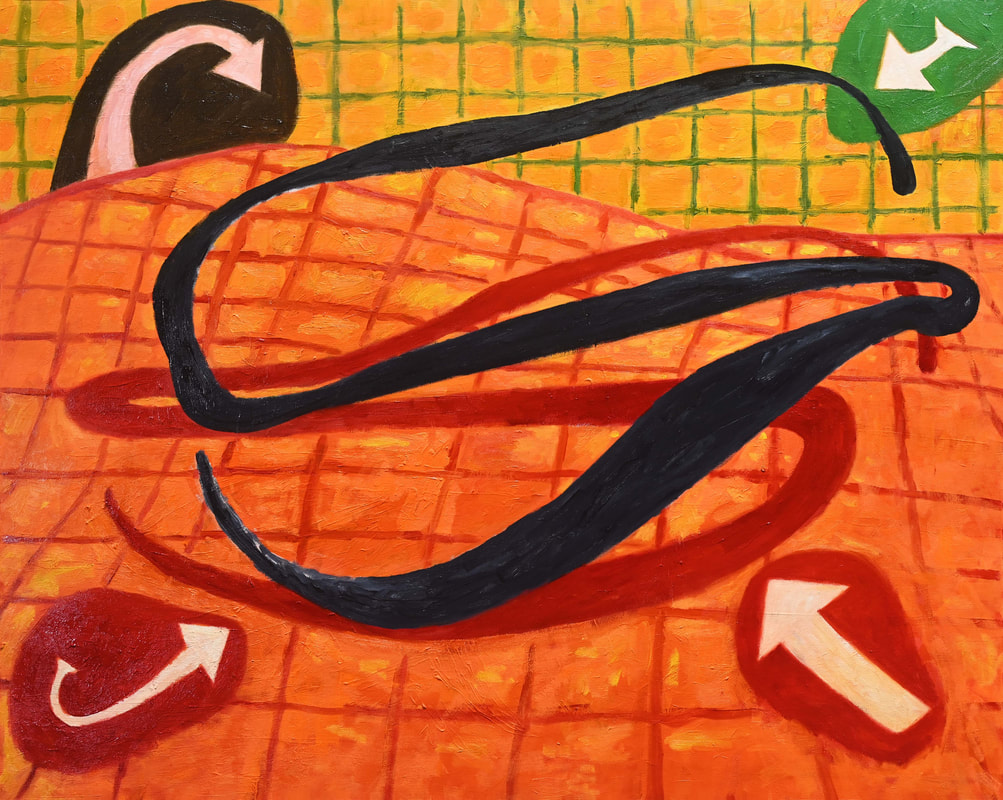
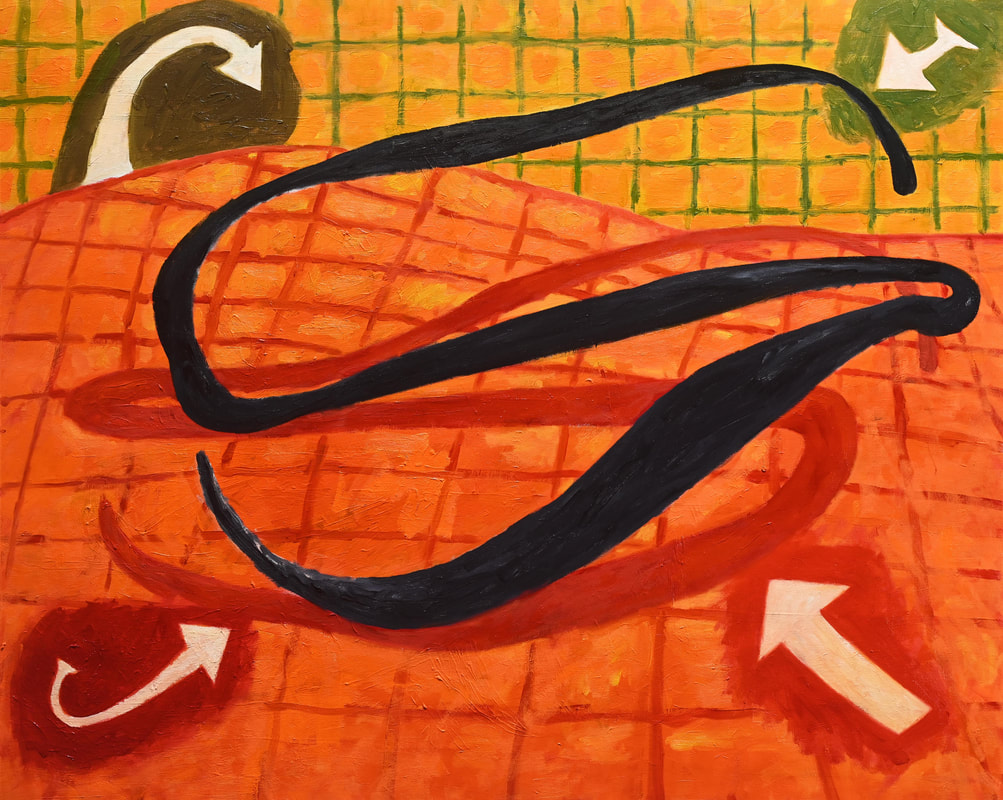
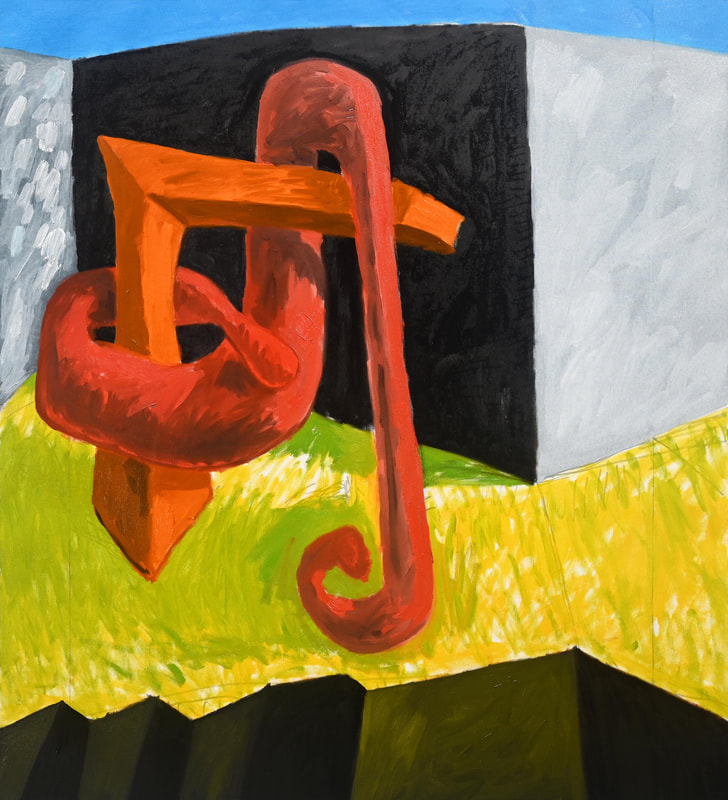
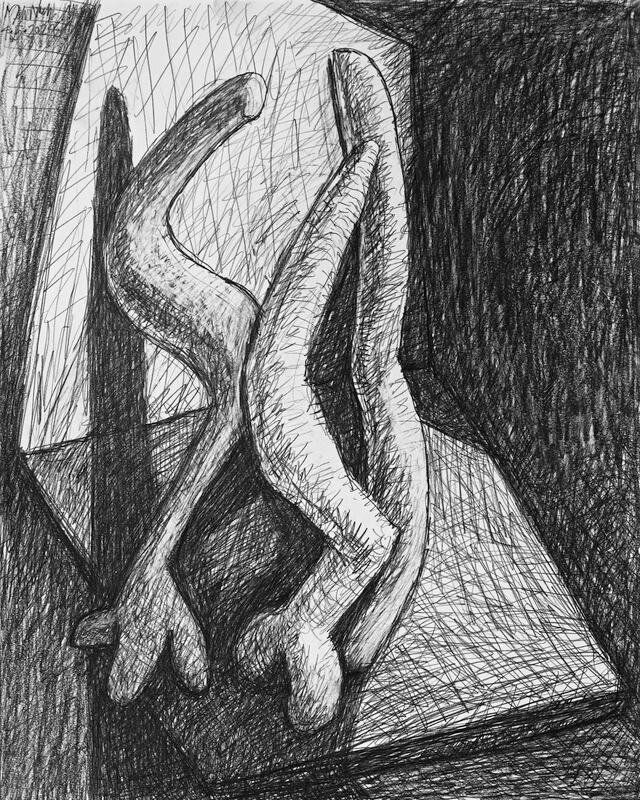
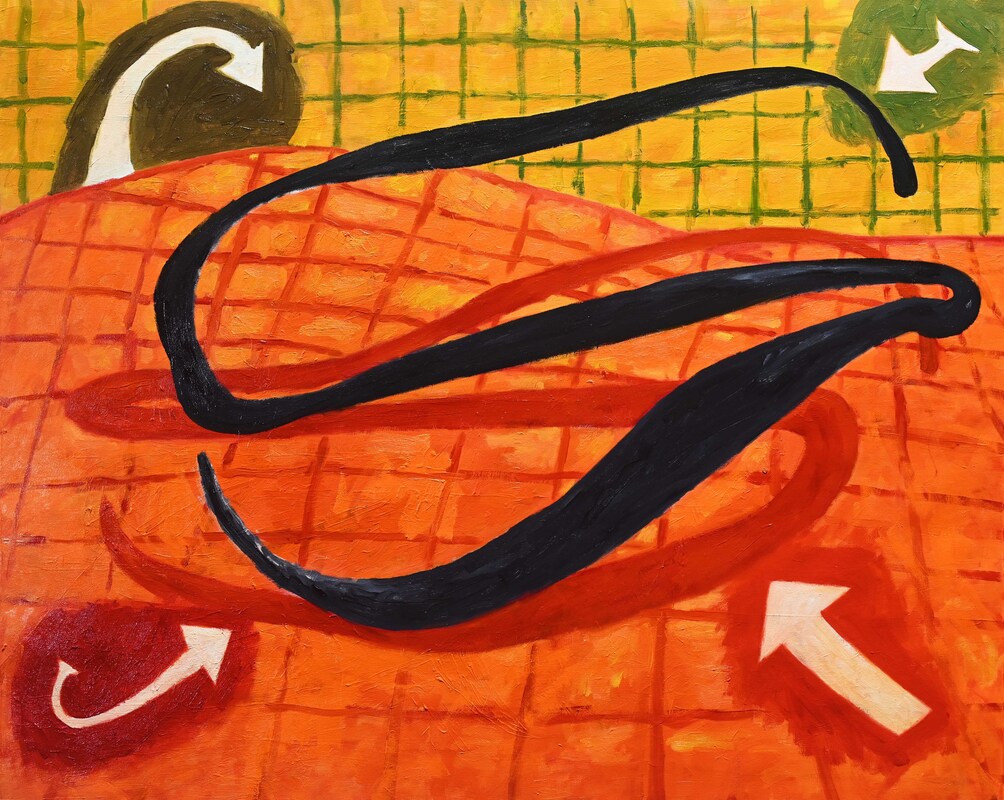
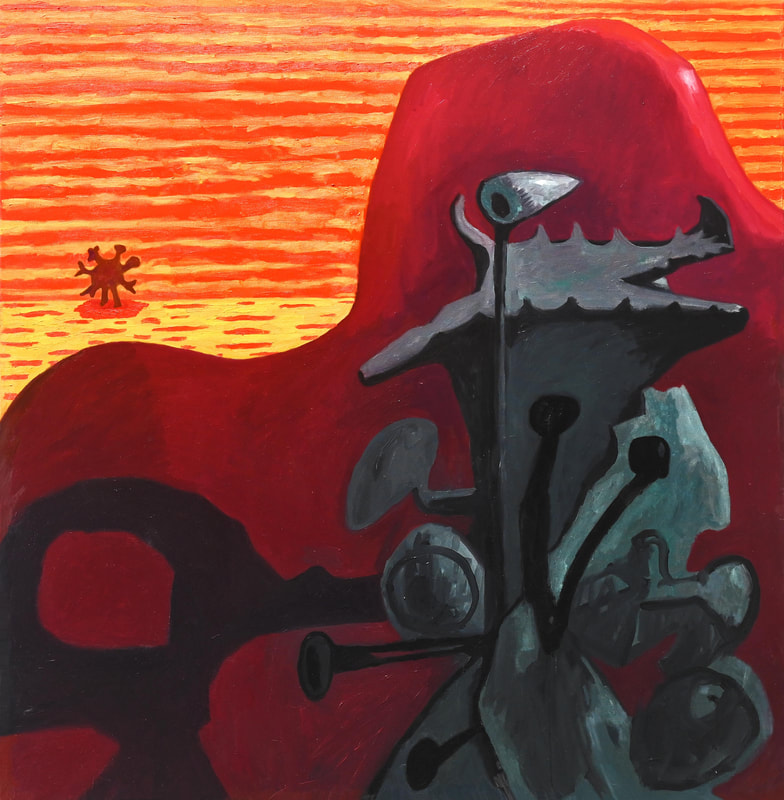
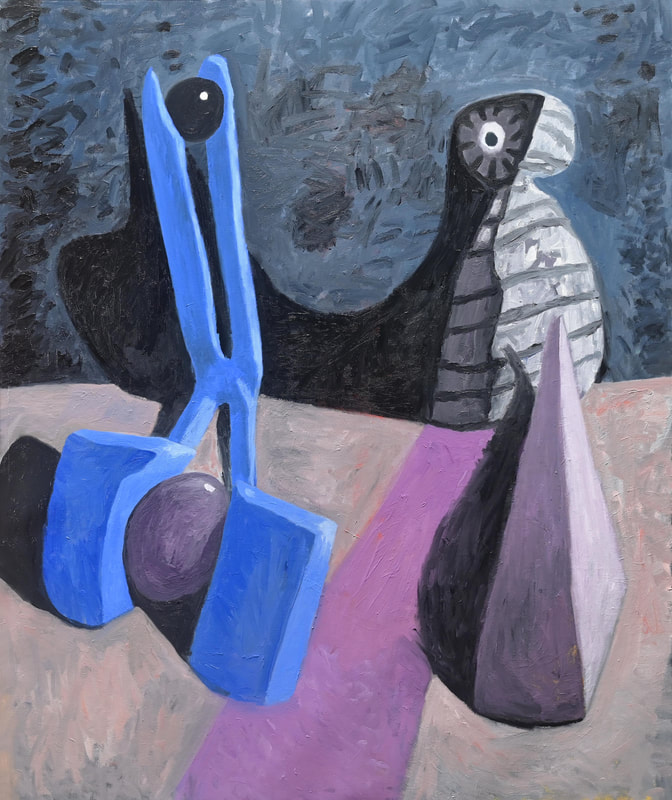
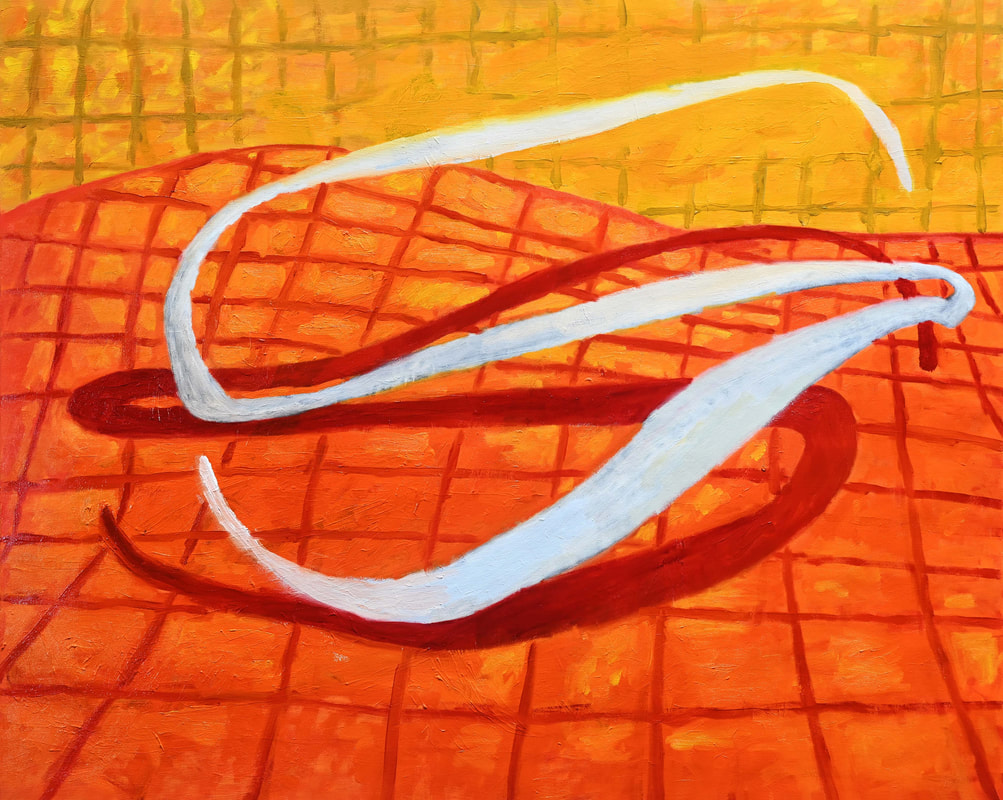
Today, I’m sharing two new pieces—a painting and a drawing—and in doing so, I’m pulling back the curtain on a struggle I suspect many creators know well: the endless, often humbling pursuit of perfection. I strive for it. Every time I pick up a brush or a pencil, I’m chasing a faultless, total realization of the image in my mind. And every time, I fail. It's not a defeat, but a reality. Everything I show you is, at its core, a compromise. It's the space between what I know to be true in the quiet theatre of my imagination and what my hands, my materials, and even my camera are able to reach and reveal to the world. The Painting: Losing Depth in Translation Let’s look at the painting first. In person, this work is a conversation of texture, light, and dynamic contrast. On-screen, it seems... well, flat. It misses the overall dynamism of the real piece. Take the lower right-hand corner, for example. I included an inscription there, a line taken from a work by T.S. Eliot that is critical to the painting’s overall emotional resonance. In the original, it is clear and deliberate. Here, in this reproduction, you can hardly read it. I wrestled with the digital file, tweaking the contrast and color balance to make that inscription pop. But every time I succeeded, another vital part of the painting failed—the subtle shifts in shadow or the nuance of the main figure's tone would be lost. The act of reproduction became its own lesson in compromise. I had to accept that to share the work, I would lose a piece of its truth. The Drawing: A Dialogue That Just Missed Its Mark The drawing, a piece focusing on a couple in a kind of interested, introspective viewing of each other, fails in a different, more emotional way. Technically, I can defend it. The forms and lines show my effort to open an unusual dialogue between the figures and the overall composition. But is that enough? My goal was to capture the sheer complexity of feeling—the charged, internal moment when two people are deeply aware of one another. And I’m left questioning if the result is inventive enough. I want the viewer to look at it and say, “Wow. This is something different. It touches me and makes me think about what the artist is trying to say.” I’m afraid I didn't quite reach that height. I landed on 'okay' instead of 'arresting.' It's a solid sketch of an idea, but it doesn't fully transmit the complexity of the emotion I was working with. The Unavoidable Truth So, here they are: two works, two triumphs of effort, but both failure to be perfect. They are the best I could do at this moment with these materials, in this light, and with this camera. They show you my reach, not my grasp. And perhaps that’s the most authentic thing an artist can share: not a finished masterpiece, but a living record of the struggle. What do you see in these pieces? I'd love to hear your thoughts on where the image succeeds, and where perhaps, your own interpretation finds the truth I felt I lost.
0 Comments
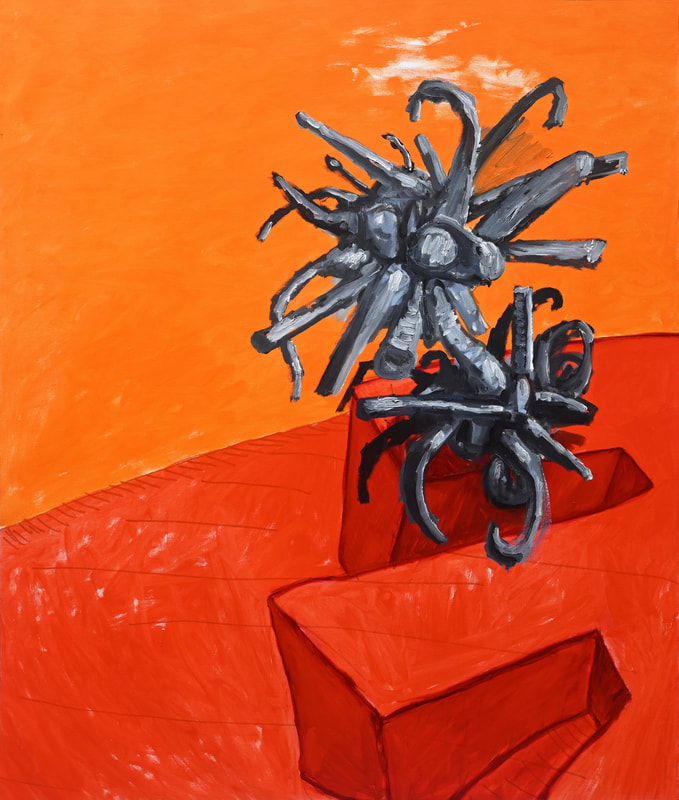
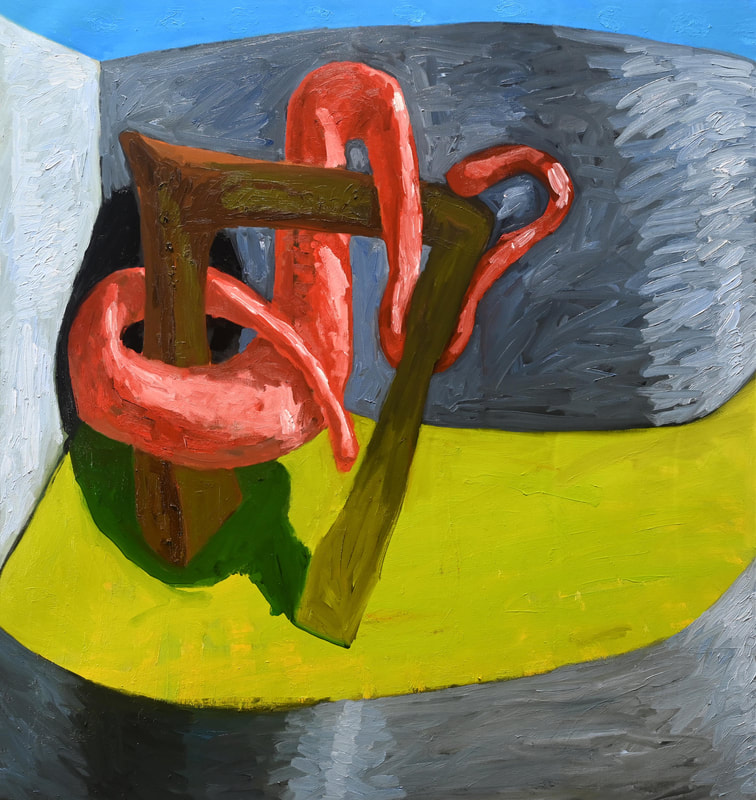
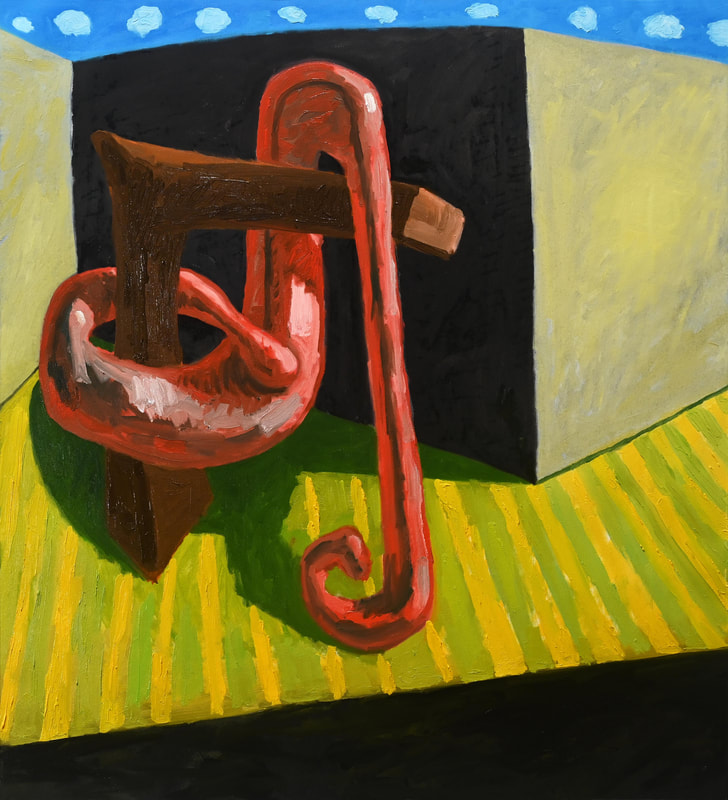
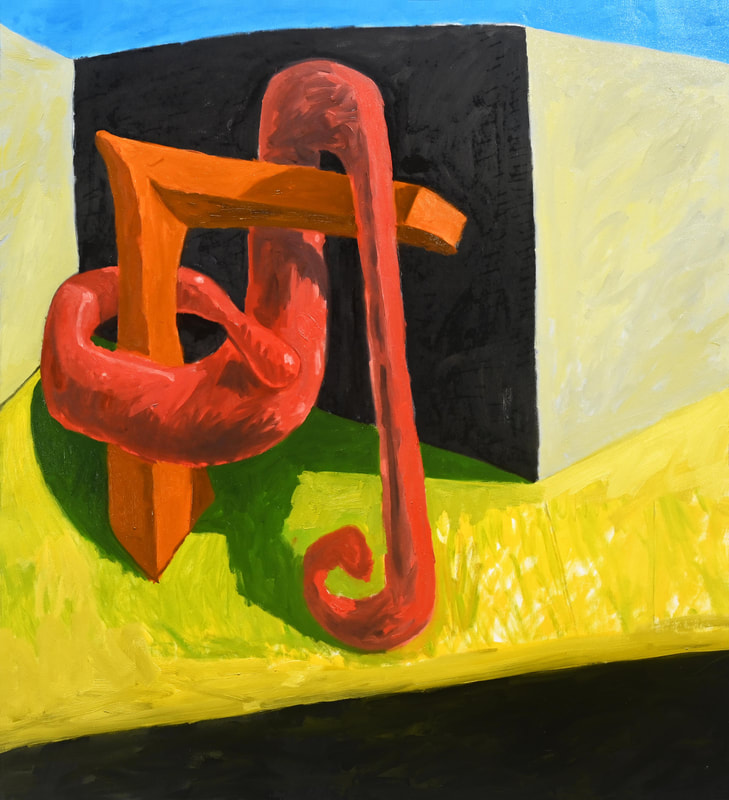
Bringing this painting to its current pause felt exactly like taking a step forward into a fog. I've tried a new possibility, a creative leap, not seeking any final, flawless form, but rather a truer voice. I believe I've reached an endpoint (for now) in my effort to express and communicate. Every decision in the studio, like every step in life, is fraught with a delicious mystery—you never truly know where you're going until you're already there. My instinct guided the brush, not full knowledge, because the only way to discover what I'm capable of and what the painting truly needs is to take the risk and paint it on the canvas. If you don't take that step, you never see the reflection of your own thoughts and abilities; you never create the consequence you're seeking. For the time being, the canvas in front of me says everything I am able to tell with this one particular painting.
That said, I do not think this is a good reproduction of this painting. I will use retouch varnish to get the surface uniform in light reflection. Then I will use portable flood light to uniformly light its surface without glare. Taking these steps should allow me to make a photograph and a reproduction more true to the actual painting I see in my studio. It's true, I've been posting less new work lately than at any other point in my career.
But please know, this isn't a sign of me being lazy or less productive. Quite the opposite—it's a sign of a deeper engagement. Right now, I'm painting at the speed of comprehension. I'm intentionally slowing down, giving my art the necessary time to develop naturally. My process has become an ongoing dialogue where I interact with the painting and patiently wait for the moment of clarity that reveals its next essential step. It reminds me of two profound ideas that have always resonated with me. First, the great photographer Yousuf Karsh said, “Character, like a photograph, develops in darkness.” And second, the mythologist Joseph Campbell noted that "If the next step is known, it is not your step." I’m embracing the darkness of the unknown and trusting the time it takes for true character to emerge in my work. Sometimes, being in the studio feels like standing at a crossroads without a map. Today was one of those days. I stared at a blank white canvas, completely lost. "What the hell am I going to do now?" I thought.
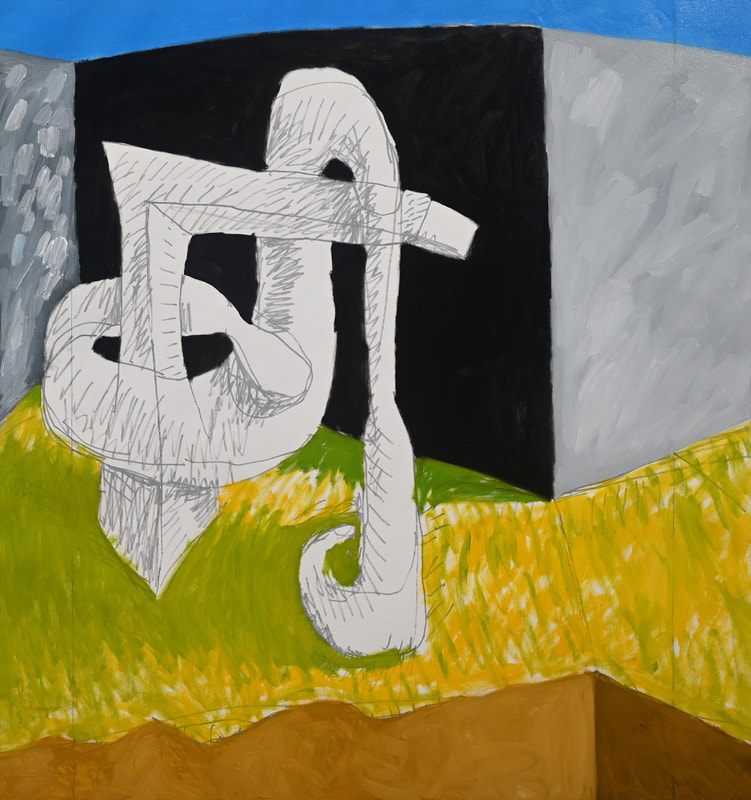
But instead of getting stuck, I just started. I grabbed a black marker and let my hand move. I made marks on the canvas, not with a plan, but with the simple joy of creating. There's a freedom in that kind of surrender, and I was genuinely surprised by what came out. I'm not sharing new work with you today. Instead, I want to talk about the incomplete painting that I worked on last week. It's still sitting on my studio wall, almost finished. I was honestly afraid to share this painting with you. It didn't seem to make any sense, but after a long weekend away from the studio, I walked back in and saw it with fresh eyes. I realized its value, even though it's not finished. It's a statement, a declaration that this is the best solution I can do with this piece. My next step is to clean it up, refine it to be the best it can be. This will be my last drawing for the foreseeable future. I believe I must paint in order to find my true artistic identity, which is my actual identity.
The belief that an artist's work has reached a dead end is not a sign of failure, but often a call for a profound shift in practice. For many, the medium itself becomes a limiting factor, a comfortable habit that no longer serves the evolution of their creative voice. This is the moment when the disciplined, line-based world of drawing may begin to feel like a constraint rather than a foundation, especially when the subject matter remains tethered to the past. The artist’s hand, once a tool for exploration, is now simply repeating familiar gestures, rendering the same old interests without room for new discovery. An artistic practice built on referencing past passions can lead to a cycle of stagnation. When the inspiration for a new piece is always found in what has already been, the art itself becomes a reflection of memory, not of the present. The drawings, though technically sound, can feel inert or lacking in vitality because they are not fueled by the artist's current interests. This repetition, though a testament to consistency, ultimately prevents growth. The feeling of a "dead end" is a direct result of this disconnect—a signal that the well of past inspiration has run dry, and a new source must be found. Embracing painting is not an abandonment of the skill gained from drawing, but a deliberate and necessary act of creative evolution. It is a way to break the cycle of repetition and force a deeper engagement with the world as it is now. The fluidity and unpredictability of paint demand new ways of seeing. The process of building color and form on a canvas naturally pulls the artist away from past interests and compels them to explore their current passions with fresh eyes. This transition, therefore, is not about leaving something behind, but about moving forward and allowing one’s art to become a true and vibrant expression of who they are today. I've come to embrace painting precisely because it offers a greater number of possibilities for change than drawing. The medium provides endless opportunities to pivot and evolve an idea, not just through the use of color, but also through the simple act of painting over an element that no longer works. This forgiving nature allows for a more fluid and less permanent creative process, where even discarded ideas can be transformed into something new. |
To read my profile go to MEHRBACH.com.
At MEHRBACH.com you may view many of my paintings and drawings, past and present, and see details about my life and work. Archives
November 2025
|
RSS Feed